Schools
El Cerrito High football team suspended amid hazing probe; arrests possible
By Katherine Langford
Advertisement · Why this ad?
Marcus manages the day-to-day editorial workflow across all brands, coordinating coverage assignments and ensuring editorial standards are met. He previously served as city editor at the Pioneer Press and holds a degree in Political Science from Carleton College.
More from Marcus →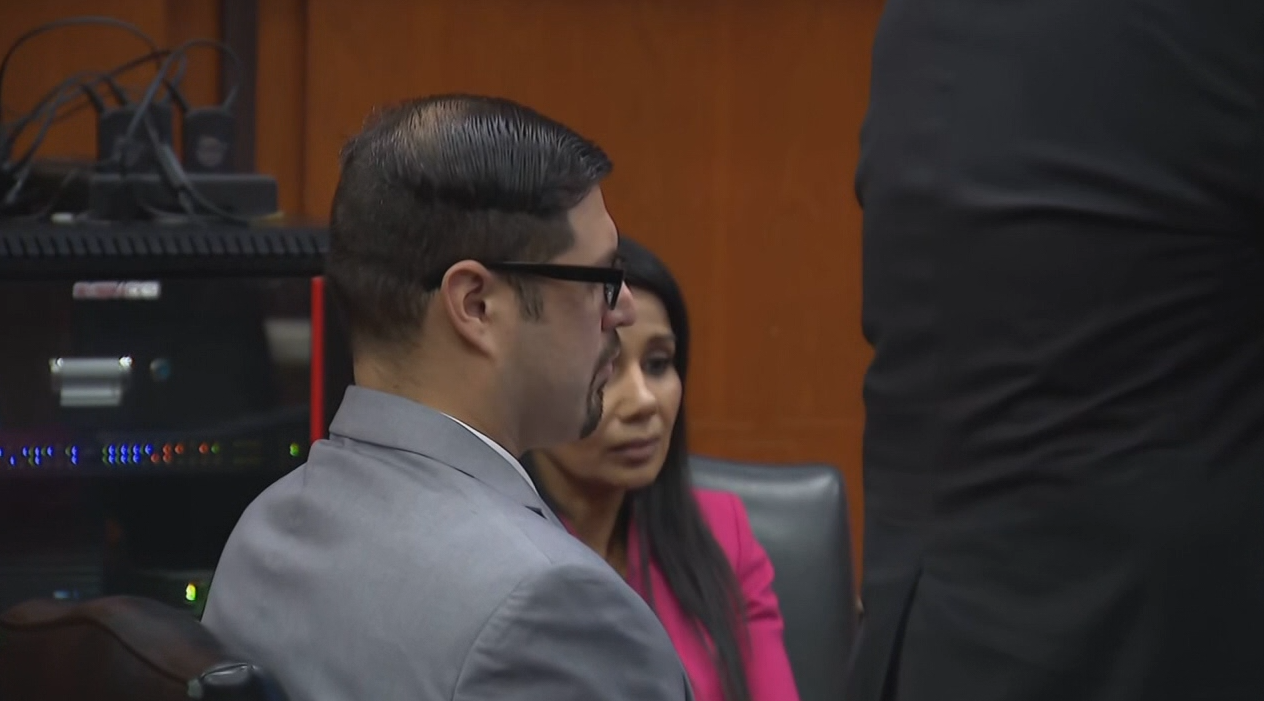
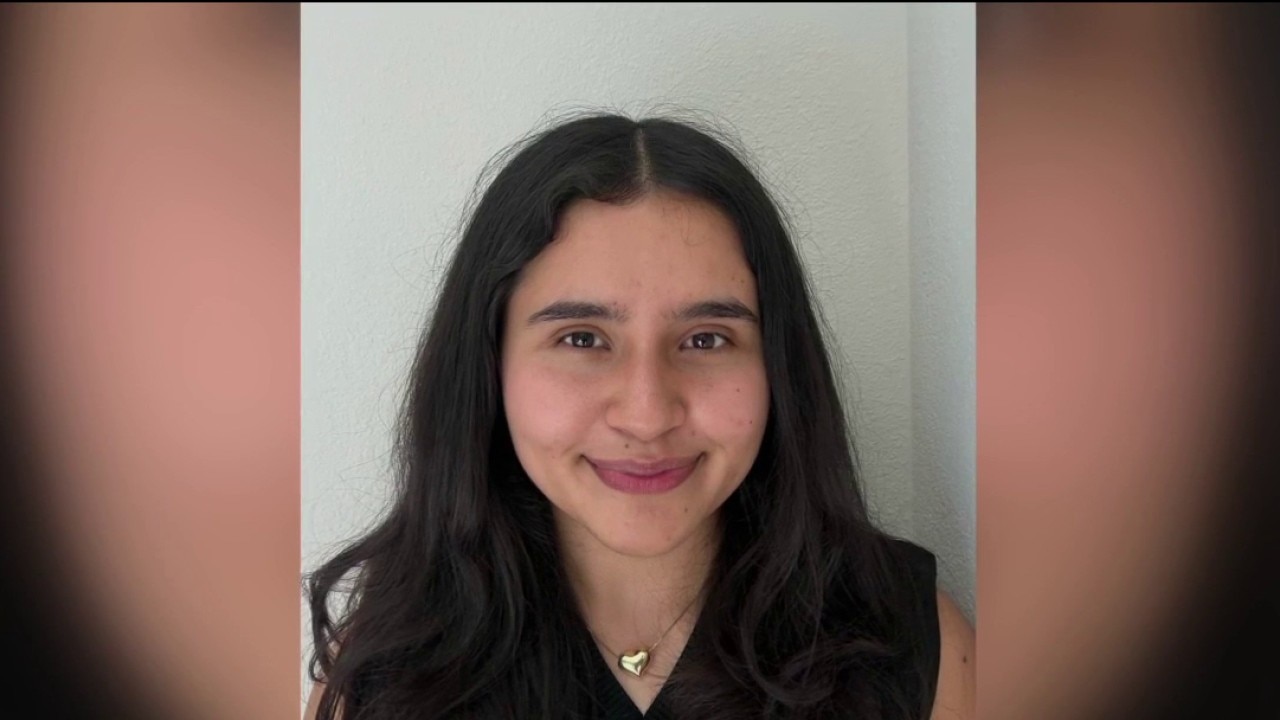
In a quiet courtroom in San Jose, Sierra LaMar’s parents sat tearfully as they recounted the pain of reliving their daughter’s tragic disappearance. It’s been 14 years since Sierra vanished while walking to her Morgan Hill school bus stop, yet the wounds remain fresh for her family. The retrial of Antolin Garcia-Torres, accused of her murder, has reopened old scars, forcing the LaMar family to confront grief once more.
On Tuesday, the first witnesses took the stand in Garcia-Torres’s retrial, which follows a 2017 conviction overturned on appeal. The appellate court found that evidence of Garcia-Torres’s past crimes improperly influenced the jury, prompting a new trial. Despite never finding Sierra’s body, prosecutors argue DNA evidence links Garcia-Torres to Sierra’s disappearance, specifically pointing to blood and DNA in his red Volkswagen Jetta.
The case hinges on the prosecution’s assertion that Sierra was inside Garcia-Torres’s car when she disappeared on March 16, 2012. The key evidence includes DNA found in the vehicle, and testimony from Sierra’s sister, Danielle LaMar, who described her close relationship with Sierra and the last time she saw her. The retrial is a chance to seek justice after a conviction that was vacated due to procedural errors.
Sierra’s parents, Marlene and Steve LaMar, delivered heartfelt testimony about the ongoing trauma of reliving their daughter’s loss. Marlene described the emotional devastation as “devastating” and “never lessening,” emphasizing how the pain persists despite the passage of time. “It just seems like it never ends,” she said, her voice trembling. Her husband echoed that sentiment, expressing reluctance about returning to court but acknowledging it as a necessary step toward justice.
The LaMar family’s resilience is rooted in their faith and commitment to honoring Sierra’s memory. Their unwavering hope for closure underscores the importance of community support and the enduring strength of families who face unimaginable tragedy. The case also highlights the societal importance of protecting innocent children and ensuring justice is served, especially in cases where the victim’s remains are never recovered.
The case has deeply resonated with residents of Atherton and nearby communities, reminding many of the importance of community vigilance and the value of family stability. Sierra’s story is a stark reminder of how quickly a young life can be disrupted and how vital it is to foster safe environments for children. Local officials and community leaders have emphasized the need for continued efforts to prevent such tragedies.
Community members have expressed mixed feelings about the retrial, with some feeling renewed hope that justice will finally be achieved, while others grapple with the emotional toll of reliving Sierra’s loss. The case also raises awareness about the importance of strong marriages and families, which serve as protective factors in children’s lives. Sierra’s story underscores the societal cost when these bonds are broken or strained.
For residents of Morgan Hill and neighboring towns like Gilroy and San Martin, Sierra LaMar’s case is more than just a courtroom drama; it’s a stark reminder of the vulnerabilities faced by young people in these communities. Morgan Hill, a city known for its picturesque parks, thriving local businesses, and tight-knit neighborhoods, has long prided itself on its safe, family-friendly environment. Sierra’s disappearance shattered that sense of security for many residents and prompted a renewed focus on child safety initiatives.
The community’s response has included increased patrols around school zones, parent-led watch groups, and community forums aimed at fostering dialogue about safety and prevention. Local schools have also ramped up safety protocols, including more supervised bus stops and safety patrols, reflecting a collective effort to prevent future tragedies. Sierra’s story has become a catalyst for ongoing discussions about community responsibility and the importance of safeguarding children in everyday settings.
Moreover, Sierra’s case has attracted attention from regional law enforcement agencies, who see it as a critical example of the importance of DNA evidence and forensic technology in solving cold cases. The case has also sparked conversations about the challenges of prosecuting crimes when victims’ bodies are never recovered, emphasizing the need for innovative investigative techniques and stronger legal standards for evidence.
Antolin Garcia-Torres, a 26-year-old man at the time of Sierra’s disappearance, was previously convicted of her murder in 2017. His background includes a history of criminal behavior, with prior convictions for assault and theft, which prosecutors argued demonstrated a pattern of violence. His defense team has maintained that there is insufficient evidence to conclusively link him to Sierra’s death, especially since her body was never found. The overturning of his initial conviction underscores the complexities of this case and the importance of procedural fairness in the legal process.
Sierra’s parents, Marlene and Steve LaMar, have become advocates for missing persons and victims’ rights. Their public appearances and testimonies are driven by a desire to prevent other families from experiencing similar pain. They have also worked with local organizations to promote child safety awareness and support services for grieving families. Their resilience and dedication serve as a testament to the community’s collective strength in the face of tragedy.
As the retrial progresses, legal analysts anticipate several weeks of testimony, evidence presentation, and judicial deliberation. The outcome of the case could have profound implications for Sierra’s family and the broader community. If Garcia-Torres is found guilty, it would bring a measure of closure and reaffirm the importance of forensic evidence in securing justice. Conversely, an acquittal or mistrial could prolong the community’s grief and ignite renewed debate over the case’s unresolved questions.
Meanwhile, Sierra’s family remains committed to honoring her memory. They plan to participate in local memorial events and continue advocating for missing children. Community organizations, local schools, and faith groups are also expected to hold events focused on child safety and grief support, helping residents process their emotions and reinforce protective measures.
In the longer term, the case underscores the necessity of ongoing community vigilance, technological advancements in forensic science, and the importance of supporting families affected by such tragedies. Sierra LaMar’s story continues to serve as a poignant reminder of the fragile safety of our children and the enduring power of community solidarity in seeking justice.
As the retrial continues, Sierra’s family remains committed to seeking justice and keeping her memory alive. Support groups for families of missing persons and victims’ rights organizations are available through Missing Persons.org and local faith-based initiatives that promote healing and reconciliation. The community is also encouraged to participate in local safety programs and youth outreach efforts.
Looking ahead, the court proceedings are expected to continue over the coming weeks, with prosecutors aiming to solidify their case against Garcia-Torres. The trial’s outcome could bring closure to Sierra’s family and reaffirm the community’s commitment to protecting its children. For residents of Atherton and Morgan Hill, Sierra’s story remains a poignant reminder of the fragile nature of safety and the enduring importance of faith, family, and community support.
By Katherine Langford
By Marcus Chen

By Marcus Chen

By Marcus Chen